News

Covering the Year’s Biggest Story: The Novel Coronavirus

Young alumni tell how they are covering the biggest story of the year: the novel coronavirus

Interviews by Christine Woodside, UConn Journalism Outreach Coordinator

Spring 2020 will be remembered as one of the most challenging public health emergencies in American history. The novel coronavirus pandemic shut down campuses, government, and many businesses. UConn, like most universities, suspended all in-person classes after mid-March.

One enterprise that could not stop was the news, and we wondered how some of our young alumni were doing.

We tracked down five young UConn Journalism alumni who were covering the pandemic. We asked what they were working on, how they were functioning while in quarantine, and what nuggets of wisdom from their UConn training were guiding them. Their answers reveal a strong dedication to their profession.


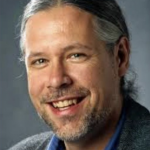
Ryan Caron King

Class of 2015

Visuals Journalist, Connecticut Public Broadcasting
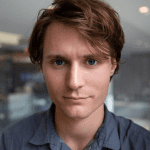
Age 27, New Haven

Check out some of King’s stories and photos: Rapid testing site opens in New Haven,  street masks in New Haven, a pregnant woman’s roller-coaster, Connecticut’s openly gay kid governor.

King is a photojournalist and reporter who produces short- and longform documentary videos for Connecticut Public Radio and Connecticut Public Television.

What are you working on now?

We’ve been mostly focused on covering daily stories around coronavirus as news develops. And it’s been developing at crazy warp speed. Some of what we’re covering is government and first responders—photographing mobile testing clinics, field hospitals, press conferences with local officials.

Other stories we’re telling are about the impact the virus has had on the people who live and work in Connecticut. I’ve photographed a local pharmacy, prisons, farmers, and a woman with a high-risk pregnancy now facing giving birth during the pandemic.

I’ve also had a bit more time to stay at home and edit a longer-term project: a short video documentary about an 83-year old “atomic vet” (one of thousands of soldiers exposed to secret nuclear weapons tests during the Cold War) who’s now going back to school to study jazz saxophone.

How has social distancing affected your work?

Social distancing has meant shooting with longer lenses, keeping a safe distance from subjects, sanitizing the equipment as much as possible, and (as of early April), wearing a mask. Under those conditions, it usually means I have to ask questions a bit louder.

Our newsroom is almost entirely working from home. A very small technical staff works in the building making sure we’re still on-air.

Name one or more bits of wisdom you picked up at UConn that guides your journalism.

The reason I’m in this field of work is that I took a class with visual journalism professor Steve Smith. His work and his approach showed me that good visual journalism is done with empathy, patience and creativity.

It’s an understatement to say that COVID-19 is challenging us as journalists and as people, but I think those principles will help all of us do work that’s valuable.

Sarah Al-Arshani

Class of 2019

Global news fellow at Business Insider

Age 22, Los Angeles
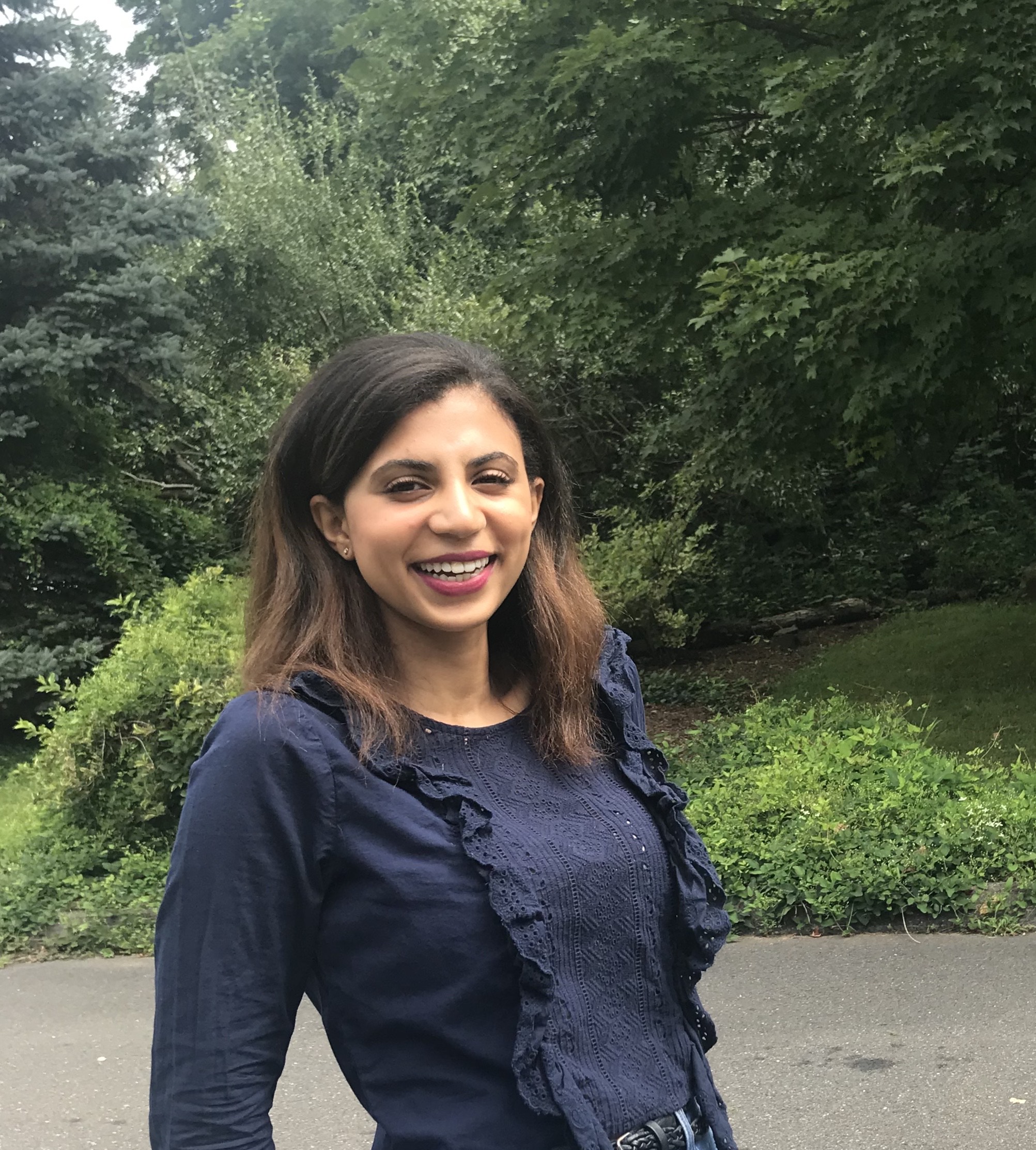
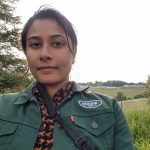
Photo Sarah-Al-ArshaniAl-Arshani works a late shift on the West Coast aggregating and doing original reporting on stories unfolding around the globe. She is fluent in Arabic.

Check out some of Sarah’s work: The Los Angeles mayor announced that coronavirus surpasses heart disease. She wrote about how the pandemic would hurt the ability to treat other serious diseases worldwide. In February, she interviewed a disease expert who warned that some countries would be ill-prepared to deal with COVID-19.

What are you working on now?

I have a regular shift where I monitor breaking news. Another part is doing some longterm projects; right now it’s focusing on the pandemic, some of those stories that aren’t being reported on.

I started covering (the coronavirus pandemic) back when it was first happening in China. I had noticed during the ebola epidemic that we had another epidemic: people dying of other diseases because there wasn’t enough care. Not long after that, we started seeing cases of people (in China) who couldn’t get access to medicine or surgery. Having had that experience I’ve said: How is that going to happen in the United States? That changes day to day.

I started noticing these stories popping up: Calls to suicide lines. I called experts around the country: what’s the trend in this country right now? What can we do? As much as a lot of our coverage has been “here’s what’s happening now,” it’s also going to play out very differently across other scenarios. It’s also going to play out not just in terms of a Covid pandemic. There will be other residual effects: economic and health.

I talked to a couple of experts. The really scary part is people aren’t going to the hospital for things that they need. The other part is: looking at it from a longterm perspective, every time there’s an economic crisis, you see the suicide rate go up.

We’ve already had a suicide rate that was growing. What are we dealing with, and how is this pandemic playing into it? It’s not just that suicide rates are going up, but, “Here’s why.”

Before starting here, I interned at the Jordan Times. When I graduated I thought I would go the local news route. I had this curiosity and fascination with the Middle East: going out and talking to refugees, talking to some of the organizations that are doing work over there, and understanding the issues.

There are a lot of Syrian, Palestinian, and Yemeni refugees and young people without jobs. It’s a country filled with culture.

When I ended up at Business Insider, one of my goals was to do more Middle East reporting. But we’ve all turned into coronavirus reporters. Before it was deemed a pandemic, I was talking to experts who were saying this is in China, it has potential to spread.

One of the conversations that kept going back and forth: people were really concerned about what would happen to refugee camps that are densely populated. I was able to do a story on that. This is a place where it could be a hot spot.

How has social distancing affected your work?

I wasn’t doing a lot of in-person interviews even before this started. I work 2 to 10 Pacific time. So this is after when most people (in America) finish work. A lot of it has been phone interviews. It’s easier to have a conversation on the phone.

I’ve been working from home. The last day I went into an office was March 6. Our office was in a We Works building. Our office took the initiative early. Going into an office, I think it gives you structure. Even when you work as a reporter, you’re working as the news unfolds. Being able to have a designated amount of time: sit down, here’s the stories I’m working on, here’s the calls I’m going to make. It’s an easier way to make sure you’re working effectively and efficiently. Working at home: it’s not bad. I’ve gotten my own routine going. You’re at home. You want to clean your dishes, do your laundry.

I ask, “Where do I sit today?”

Name one or more bits of wisdom you picked up at UConn that guides your journalism.

Number one was the idea that you want to be accurate before you are first, even though you do want to highlight speed. People send pitches to me that seem promising, and you want to jump on it, but you make a call and see it’s not accurate, or it’s not worth it. Just because it looks like it might be promising, you pause and double check.

You want to have a story at the end of the day. I’ve taken from my time at UConn journalism: it’s better to not have a story. I took digital journalism with Marie Shanahan. She also stressed that. You can’t really erase anything that you put on the internet. I took ethics with Gail MacDonald. That was extremely stressed in that class as well.

Abigail Brone

Class of 2019

Student, Columbia University Graduate School of Journalism

Age 22, New York City, currently sheltering in Middletown, Conn.
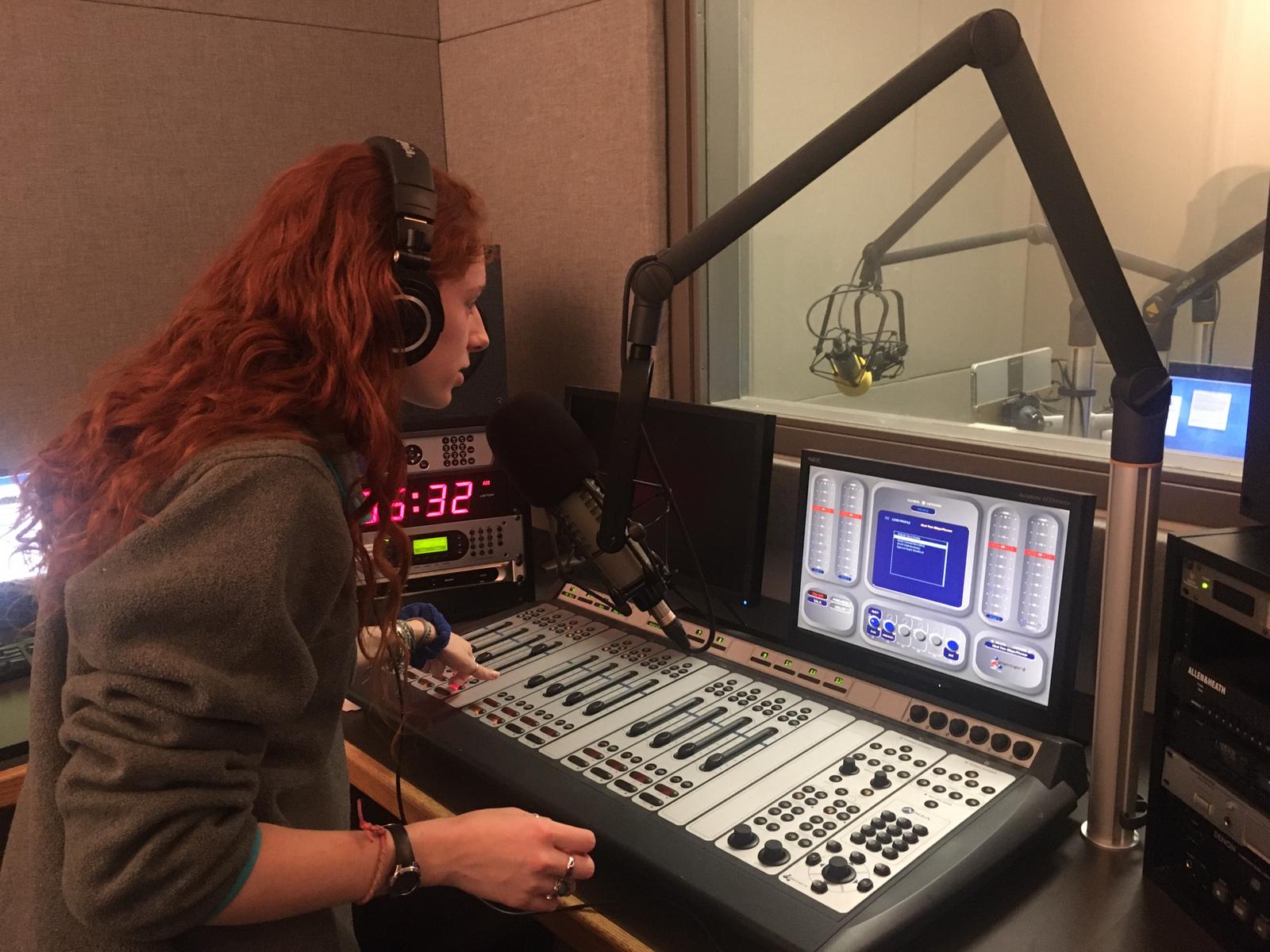
Abigale at SoundboardBrone is working toward her master’s degree in journalism. During the pandemic, she’s been writing stories from Middletown for the Norwich Bulletin.

Check out some of her work: A story for the Norwich Bulletin about the risks home healthcare aides take. A Medium story on her family’s trip to Disney World in the three days before it closed in March 2020.

What are you working on now?

My biggest project currently is an investigative podcast with Columbia Graduate School of Journalism. The podcast, “Shoe Leather,” will focus on a different decade in New York City each season. The first season, which we are currently wrapping up, is stories from New York City in the ’90s that made headlines at the time but have largely been forgotten.

My episode is about the nearly 10-year battle to legalize the abortion pill, mifepristone, spearheaded by a New York City-based nonprofit, the Population Council. The episode was entirely reported, written and edited by me and my reporting partner/fellow graduate student, Lauren Mascarenhas.

The abortion pill was supposed to revolutionize the way abortion was perceived in America but remains largely unknown. We met up with members of the Population Council and tracked down recordings of Senate hearings debating President Clinton’s support of the drug and an oral history recorded by one of the original manufacturers of the pill in the United States.

It’s a wild and thrilling story with bomb threats, secret FDA hearings with an undisclosed location and an interesting connection to 9/11. Shoe Leather season one will be released on iTunes and anywhere podcasts are found May 7.

Along with my podcast, I am working on pitching my master’s project about the rise in green burials in New York and the demand for a green burial cemetery in New York City to publications, but the pandemic has stymied the pitches process. I am also freelancing for local publications, including the Norwich Bulletin while in Connecticut waiting to hear back from New York-based fellowships and job hunting.

How has social distancing affected your work?

Not only can I not visit my sources in their homes for valuable details and, for the sake of my audio pieces, quality sound, but I was forced to leave the city and most of my belongings there.

Nevertheless, I have been able to make-do with reporting from home, as there are never a shortage of stories that need to be told, particularly now.

Name one or more bits of wisdom you picked up at UConn that guides your journalism.

The biggest is to never underestimate or undersell yourself. My advisor, Julie Serkosky, is the reason I am about to graduate with a master’s degree from the top journalism school in the world.

I didn’t think I met the Columbia standard and was not confident in my abilities, but she was the one who assured me I was more than qualified for entry there and they would be lucky to have me. She supported me in that way throughout my three years at UConn (I graduated a year early). She encouraged me to apply for internships at some of the top papers in the state and made sure I was a well-rounded candidate.

Another lesson UConn taught me was to  stick with your gut. If an idea or story is stuck in your head, chances are someone else will find it interesting too.

Amy Schellenbaum

Class of 2012

Group digital director, Popular Science, Outdoor Life, and Field & Stream
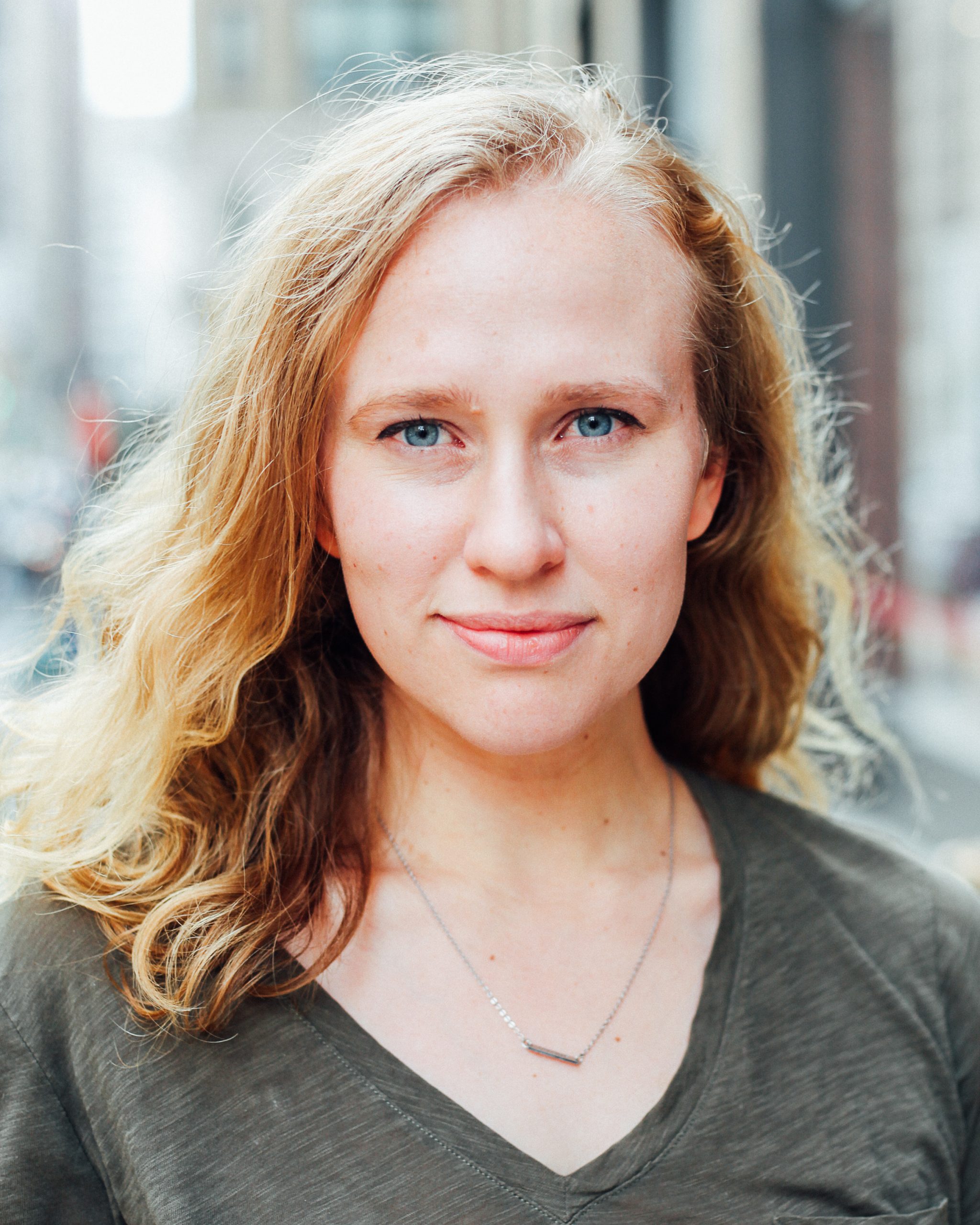
Age 28, Jersey City, N.J.

Schellenbaum directs the online presence of three major outlets and occasionally writes science stories. She was a Forbes 30 Under 30 media honoree in 2019.

Check out some of her work: Things you should never flush down the toilet. A description of the PopSci redesign Schellenbaum worked on.

What are you working on now?

My days are largely spent advocating for editors and readers in conversations with developers and the revenue folks. Lately I’ve also been making sure as many people as possible are finding PopSci’s information on COVID-19 through a variety of platforms and mediums, including our podcast, Facebook Groups and channels on news apps.

That’s all to say I don’t write much. When I do, though, I write straightforward stories that I see people asking about in our comment sections. For example, right now I’m working on a quick story about how to clean your groceries during this pandemic period—something straightforward and science-based, using guidelines from the Food and Drug Administration and the Centers for Disease Control and Prevention.

How has social distancing affected your work?

Nobody on staff at Popular Science, Field & Stream, or Outdoor Life is working from the office right now, which means we’re all reporting, writing, and proofing pages remotely. We use Kami to edit PDFs from our homes and rely heavily on Google Hangouts for meetings. Plus, we use Slack all the time—and had been before the outbreak. When your coworkers are easily reachable, your reporting and sourcing is easier, your headlines are better, and your job is more social and engaging. Speaking of which, every Friday at 5:30 we have a virtual happy hour.

Name one or more bits of wisdom you picked up at UConn that guides your journalism.

During these troubled times, I’m thankful journalism school at UConn braced me for the psychological impact of our careers accelerating and “succeeding” during times of crisis. Studying excellent journalism means you’re often studying times of disaster and devastation.

Recalling what I learned in History of Journalism, Journalism Ethics, and News Writing has helped me embrace my conflicted feelings during this period. I am exceedingly proud of our editors right now, and happy to see that we are reaching so many people with PopSci’s authoritative, accessible coverage, but also deeply concerned about the state of our community, our industry and the world. Thankfully I have the history of journalism to ground me, and remind me that our work is important and righteous. I need to rely on that now more than ever.

Taylor Fountain

Class of 2013

Assignment desk editor, WBZ-TV

Age 30, Boston
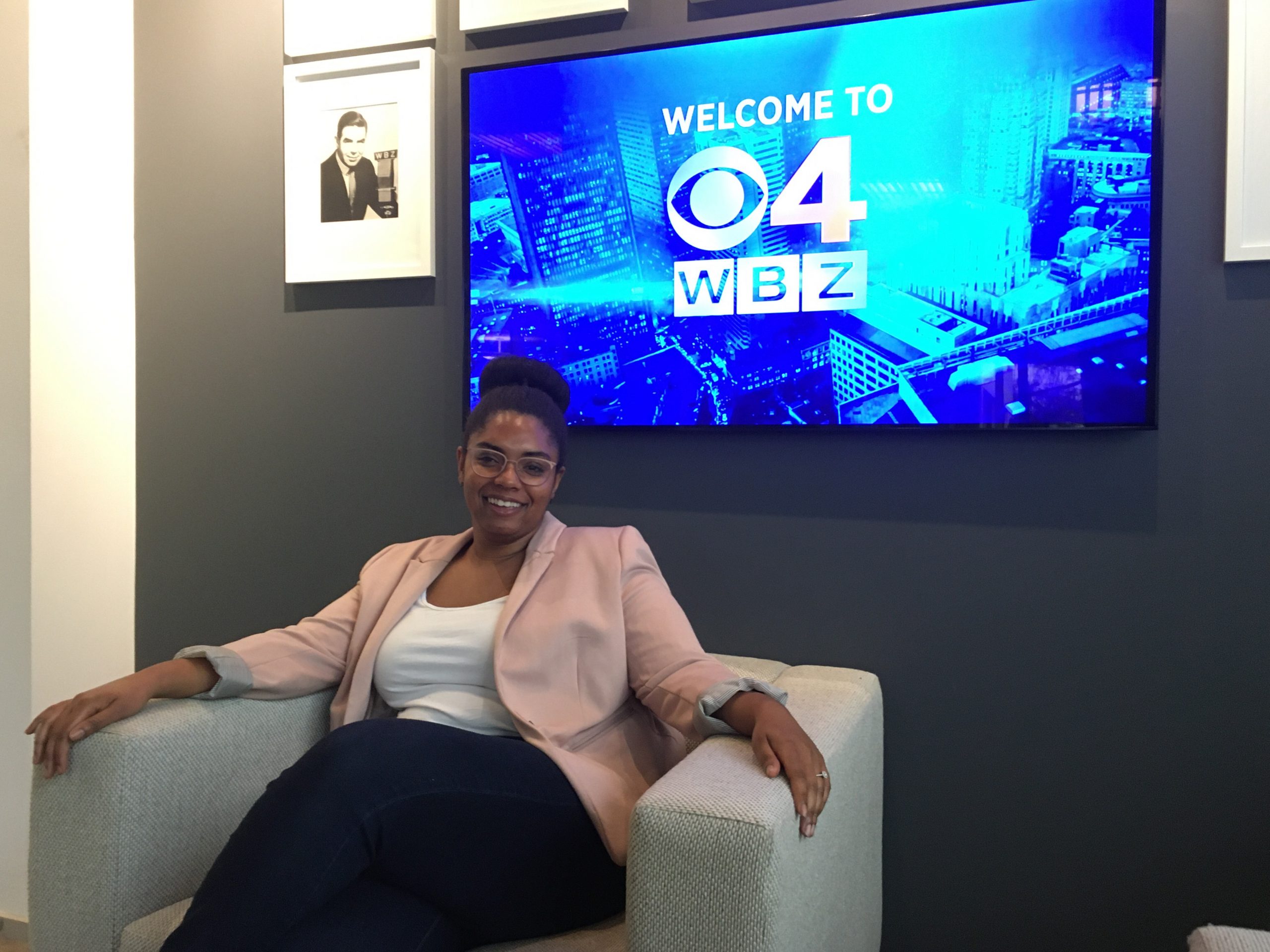
Fountain researches and assigns stories for Boston’s CBS affiliate television station.

Check out some of her work: She assigned this story on teenagers developing online classes for autistic students.

What are you working on now?

During this pandemic, I have been mostly working from home and just going into the newsroom two days a week.  Social media has proven to be an even greater tool. It’s been a great way to connect with people.

Some of the stories I’ve covered are:

  • high school students creating virtual classrooms for autistic students
  • COVID-19 patients being released from the hospital
  • an art gallery that displays  photos from the window for passing neighbors.

How has social distancing affected your work?

My newsroom like others has limited the amount of people who can come in and out of the newsroom.

It’s hard to do the assignment desk job remotely, so when I’m home I focus on finding stories and even doing some interviews myself via Zoom.

I work in the newsroom only on the weekends for the time being. The weekends can already be quiet, but during this pandemic there are only a handful of people that can be inside at a time. That can bring some challenging situations, but I have a hard working team that work well under pressure. We’ve become accustomed to doing multiple newsroom jobs at once.

The field crews were all given protective gear and cleaning supplies.

They have special mic extenders to allow them to still grab MOS (man on the street sounds) and conduct interviews.

A good number of interviews are done via teleconference.

Name one or more bits of wisdom you picked up at UConn that guides your journalism.

Being prepared was something my professors at UConn stressed to me. Even though I never would have thought I would be covering stories during a pandemic, something about being prepared even when you don’t know what’s coming has always stuck with me. It’s making sure your basics are covered. Making sure you’re ready to go when a story breaks.
Update on Spring 2020 semester for UConn Journalism majors, pre-majors

Dear Majors and Pre-majors,

I am sure that you have all heard that we will work entirely online for the rest of the Spring 2020 semester and that graduation is canceled. The faculty and staff are very disappointed, but we need to be safe.

The Journalism Department is working as hard as it can to make sure that everything goes as smoothly as possible for the rest of the semester. That’s a big job. Although nothing seems normal, there are a great many things that have not changed. These are worth noting:

• REGISTRATION will go on as planned, beginning March 23. Some of you have already been advised or have made arrangements to be advised online. If so, go ahead with your plans as scheduled. For the rest of you, please make a list of the courses that you plan to take and email them to your advisor as soon as possible. Write COURSE SELECTIONS in the subject line and include any questions that you have. Faculty schedules are chaotic at the moment as we convert to online teaching and deal with the virus ourselves, so please allow plenty of time for a response. We want you to be able to register on time, so the sooner you get your selections to us, the better.

• AWARDS AND SCHOLARSHIPS will be given out, even though we won’t have a physical award ceremony. The deadline for submitting applications is Friday, March 27. Applications are available online at https://journalism.uconn.edu/awards-and-scholarships/. They may be submitted to Lisa Caruso at Lisa.Caruso@uconn.edu. Please send one email for each award application and put the name of the scholarship or award in the subject line. (No application is required for the Barbara K Hill Award.) We will be giving out $16,300 in awards and scholarships, so make sure that you apply.

• I will be contacting GRADUATING SENIORS to let them know about a private Facebook group that we are creating for them (and us!). This is a purely social group so that grads, faculty and staff can have a chance to say goodbye, at least for now. We always miss our graduates. That’s hard enough when we’ve had a chance to visit, have a party and share graduation. We don’t want to lose touch with you.

I’ll be in touch as new information is available. If you have any questions, please feel free to contact your instructors or your advisor. We’ll get though this together. Stay safe.

Professor Maureen Croteau
UConn Journalism Department Head

A Note From The Department Head

Dear Alumni and Friends, 
Prof. Maureen Croteau, Journalism Department Head

These are exciting times in journalism. We’ve become accustomed to the fact that stories that once would have been told only on a printed page now come alive through interactive and social media, podcasts, videos, slide shows and data visualization. The time between newsroom and consumer has shortened from hours to milliseconds.

There is so much for young journalists to learn. Still, the most important things our students learn have not changed. They must be able to report thoroughly and fairly, to think critically, to question authority, to write well, and do so in the public interest. On deadline.

Old and new skills intertwine.  Good writing is essential to creating engaging video. Clarity and focus are important whether you are creating visual journalism or writing with words. Multimedia journalism uses visuals, action and sound to tell stories that engage all the senses, just as magazine writers have done for generations.

As the web has made more information available to more people more quickly than ever before, the need for accurate, balanced, insightful reporting has never been greater. That is the job, and the challenge, of the journalist. That is what our students are learning.

Where will journalism be tomorrow? We’re working on that.

Maureen Croteau
Professor and Head, Department of Journalism

Spotlight On: Julie Serkosky, Assistant Professor-In-Residence

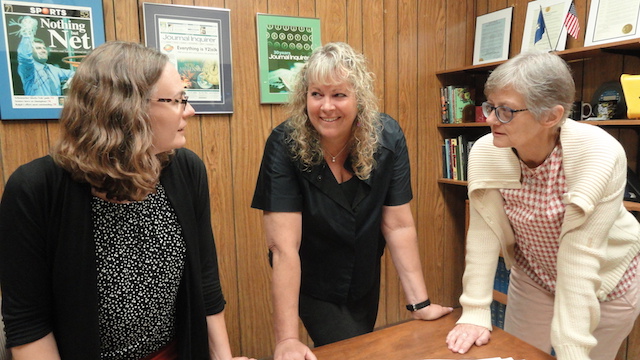
Assistant Professor-In-Residence Julie Serkosky, center, looks over recent copies of the Journal Inquirer with News Editor Kimberly Phillips, left, and Associate Editor Nancy Thompson. (Photo by Kate Farrish)

Julie Serkosky ’91 spent 22 years as a reporter and editor at the Journal Inquirer newspaper in Manchester before becoming a UConn Journalism assistant professor-in-residence in 2014.

But in moving to the classroom, she hasn’t forgotten her roots in the newsroom. Each month, Serkosky devotes considerable time to judging the work of 15 JI reporters to select its Story of the Month.

She typically judges 10 to 20 entries, with an eye to choosing the story that she best resonated with readers in the JI’s 18-town circulation area. It might be the biggest story of the month, one written on a tight deadline or one that required a lot of research and use of the state Freedom of Information Act to secure public records.

Sometimes, it’s just a story that moves her.

“I try to find a story that a lot of people will read or a story that a lot of people should read,’’ Serkosky said during an interview at the JI. “And anything that moves me to tears or almost moves me to tears, I’m going to pick.”

Kimberly Phillips, the news editor, and Nancy Thompson, the associate editor, use the contest to motivate their reporters. The winner is revealed, along with Serkosky’s critique, at a monthly staff meeting, where the reporter describes how he or she reported or wrote the story.

The JI Story of the Month has other UConn Journalism department connections. For years, it was judged by Prof. John Breen before his death in 2014, and many JI reporters who are UConn Journalism alumni have won it, including Eric Bedner, Skyler Frazer, Tim Leininger, Jessica Lerner, Jackie Nappo and former reporter Joe O’Leary.

Serkosky recalled that in her days at the JI, winning the award boosted morale.

“You feel really good when you get Story of the Month,’’ she said.
Phillips and Thompson, who worked with Serkosky for years, said they trust her news instincts.

“She knows what makes a good news story, and she knows what matters to our readers,’’ Thompson said.
 Having an outsider and a journalism professor judging the award makes it prestigious, Phillips said.

“Having Julie as a judge gives the award a certain amount of weight,” Phillips said. “Her judgment is great.”

The editors said Serkosky has been known to make a quirky choice, such as a May feature by Nappo on home delivery of milk in Ellington, rather than a more hard-hitting story. They said she made another unconventional choice last November when she selected Alex Wood’s obituary of Barbara King, a longtime Manchester politician and part-time JI employee, as Story of the Month.

Serkosky said she was moved by a detail Wood included: that King put a yellow fabric butterfly on her desk on her first day on the job, and it is still there.

Serkosky said judging the best stories can be difficult because the quality of the journalism has remained at a high level even as the JI, like newspapers of every size, has faced financial challenges.

“I think the JI is stronger than ever,’’ she said. “I think it’s the best paper in the state for local news. It’s amazing to me how hard these people work and how dedicated they are to journalism.”

by Kate Farrish ’83

Three Reasons to Study Journalism at UConn

There are plenty of reasons why you should study journalism at the University of Connecticut. We asked a dozen of our alumni to tell us three reasons why earning a UConn Journalism degree was a great decision.


Glenn Smith '87

Glenn Smith
Watchdog/Public Service Editor, The Post and Courier
Charleston, SC
Class of 1987, Winner of the 2015 Pulitzer Prize

1. Journalism remains a critically important craft in our society and a crucial backstop to democracy. UConn’s veteran team of instructors offers students a wealth of hands-on experience and keen knowledge of today’s trends, tools and possibilities.

2. Journalists have the privilege of working a profession where they can truly make a difference in people’s lives. UConn produces solid reporters and gifted writers with the skills necessary to hold public officials accountable, expose wrongdoings and shed light on pressing issues that affect us all.

3. Are you a curious person? Journalism is a profession in which you get paid to talk to interesting people and learn something new every day. A UConn diploma in journalism is like a golden ticket, an international passport to pursue your craft wherever your interests might take you.


Purbita Saha '12

Purbita Saha
Senior Editor, Popular Science
New York, NY
Class of 2012

1. For the stories you'll hear: From professors who've covered genocide in Sarajevo to those who've moonlighted as Sherlock Holmes novelists, the UConn Journalism department is led by a well-storied staff that spans time, mediums and expertise.

2. For the lessons you'll carry through your career: Some of the advice you'll glean in your classes, whether it be during an ethics discussion or an environmental journalism trip, may not make a deep impression in the moment. But as you put your skills to work in the real world, you'll find yourself calling back the gems of wisdom that your UConn professors shared.

3. For the friends who'll help you hit your ambitions: My journalism network still largely depends on the people I met at UConn. Between Daily Campus colleagues, classmates and retired and current professors, I have a solid web of contacts to talk shop and expand my knowledge of the industry with. I may have graduated six years ago, but I still continue to learn from UConn to this day.


Jackson Mitchell '16

Jackson Mitchell
Digital Audio Editor, WBUR-FM, Boston’s National Public Radio station
Boston, MA 

Class of 2016

1. Journalism skills are life skills: talking to people, being understanding and empathetic, listening and presenting information in a clear and compelling way. You will never regret being good at these things.

2. Being in journalism is a thrilling way to observe the world around you. It has given me a life vantage point that I value immensely. I am never bored.

3. There are few careers where you can go to work every day and honestly feel like you are serving the public interest. That feels really good.


Kala Kachmar '09

Kala Kachmar
Investigative Reporter, Courier-Journal
Louisville, KY
Class of 2009

1. The faculty that make up UConn's journalism department is incredible. Not only are they current or retired journalism professionals, but many will go out of their way to help students establish connections that often lead to internship and job opportunities. Classes are small, so it's easy to feel connected to the professors, other students and resources, of which there are plenty.

2. The diverse curriculum helped me develop well-rounded skills that have contributed significantly my versatility as a reporter. As a student when news consumption shifted significantly, professors encouraged us to embrace technology and learn different journalism disciplines. Versatile is valuable. UConn taught me the importance of that.

3. The courses actually teach you how to be a reporter, and the program overall taught me what I needed to know to be successful in the field. We had to write stories on deadline. We couldn't misspell names. We were held to professional standards.


Melanie Deziel '12

Melanie Deziel
Founder of StoryFuel
New York, NY

Class of 2012

1. The investigative skills I learned as a UConn Journalism student set me up for a lifetime of digging deeper, asking more pointed questions and telling better stories. 

2. Studying journalism at UConn taught me the importance of deadlines and being open to feedback, skills I use daily in my work as a content marketer. 

3. I can trace my entire career back to a UConn Journalism professor who first helped me discover my love of storytelling, and another who encouraged me to write for the Daily Campus.


Eric Ferreri '95

Eric Ferreri
Senior Writer, Duke University Office of News & Communications
Durham, NC
Class of 1995

1.  Journalism is more important than ever. Asking questions is critical, as is helping people understand “fake news” is a fake term.

2. At UConn, the entire community will be your laboratory. There’s nothing abstract about the curriculum; it’s a real-world experience every step of the way.

3. You’ll eventually do something called Sudden Death. You’ll hate it before you love it, but you’ll learn a ton from it as well. 


Karla Santos '17

Karla Santos
Business and Arts Reporter, New Britain Herald
New Britain, CT
Class of 2017

1. UConn's journalism professors and advisors are always willing to help and they always make sure students understand the topic of discussion.

2. The journalism facilities at UConn have top-of-the-line equipment and classrooms that are set up for easy interaction between students and teachers.

3. Journalism at UConn is learned by doing and not just by sitting and listening. Students are often given assignments that reflect the same assignments one would be given when working as a journalist.


Simmi Buttar '95

Simmi Buttar
NFL Editor, Associated Press 
New York, NY
Class of 1995

1. If you do go into journalism, no matter what type (print, TV, radio, online etc.), the skills you learn will translate.

2. Even if you don’t go into journalism, the skills you learn will be invaluable in other fields.

3. Because good journalism is important. And we need more good journalists now more than ever.


Hannah Dickison '18

Hannah Dickison
Investigative Producer, WPRI-TV
Providence, RI

Class of 2018

1. Great education with an even better price tag. When I was looking at colleges, I knew I wanted a high-quality education, but didn’t want to be overloaded with debt like I would have if I had gone to a school like Syracuse or Emerson. Fortunately I’m from Connecticut, so I was able to get in-state tuition and graduated with substantially less debt than my friends at other colleges. Even if you’re out-of-state, the cost truly doesn’t compare.

2. Accomplished professors. All of your professors will be award-winning journalists who are highly respected in their field. If you work hard and invest in your education, some will even become your mentors during and after college. All of my professors took me under their wings and were there for me not just academically, but professionally. I wouldn’t be where I am now without them and am grateful for my education every day.

3. Big university, small program. There’s no denying that UConn is a big school, but that’s not the case for the journalism program. The size of my classes were always small and close-knit. Everyone in the program knows each other, whether you take classes together or not. I think that’s something that’s very rare and special about such a high quality journalism program.


Kathleen McWilliams '15

Kathleen McWilliams
Staff Writer, The Hartford Courant
Hartford, CT
Class of 2015

1. You get hands-on experience in class. UConn Journalism classes aren’t just theory; you actually write in-depth stories on deadline and get edits from your professors.

2. It’s fairly easy to double major with journalism and another subject. While demanding, the UConn Journalism program is flexible enough in the requirements that you can major in something else to flesh out your degree and give you valuable skills. For me, that meant double majoring in English, which helped my writing and research skills.

3. You learn from veteran journalists who are not only experts in the craft, but who know the Connecticut journalism world like the back of their hand.


Alyssa Bosley '02

Alyssa Bosley
Lecturer and Social Media Coordinator, Hart School of Hospitality, Sport & Recreation Management, James Madison University
Harrisonburg, VA
Class of 2002

1. The first-rate faculty have excellent academic and professional credentials. They are engaged with their students and provide the tools for success.

2. The program has strong connections with industry professionals and media outlets throughout the country.

3. The coursework allows students to think critically and it provides practical experience.


Sylvia Cunningham '15

Sylvia Cunningham
Reporter/Associate Editor at KCRW Berlin
Berlin, Germany
Class of 2015

1. You’ll learn about journalism from professors who are journalists themselves. So whether it’s an ethical quandary, a confusing public record or a difficult source you’re facing, chances are your professor has been there and has some good advice.

2. You’ll be introduced to platforms and tools that make you a more dynamic storyteller. In one job interview post-graduation, I was presented with a published web story and asked how I would a) make it more interactive and visually appealing and b) push it out on social media. I incorporated what I learned from Online Journalism into my answer, and I landed the assignment. 

3. You’ll be taught the fundamentals of good reporting, like getting a second (and third…and fourth) source, considering all sides, and writing a strong lede. Often when approaching a story, I think back to my all-time favorites from Literary Journalism for inspiration (see Jimmy Breslin’s “It’s an Honor”). And because fact-checking and copy editing comprises at least half of my current job, the foundation built from UConn journalism courses is critical. Plus, the trusted adviser you meet in Newswriting I - your AP Stylebook - will never be far away.

Special thanks to Kate Farrish '83 for collecting these interviews.


Why WNPR’s Frankie Graziano ’11 looks for the human interest angle in every story

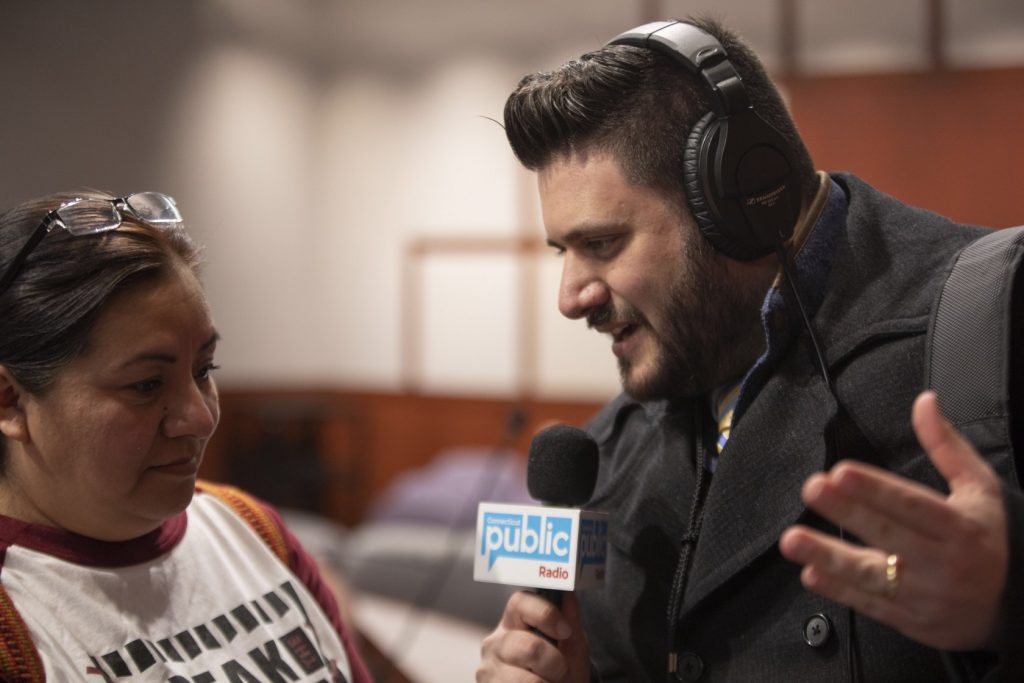
In his reporting for Connecticut Public Radio, Frankie Graziano is always looking to tell human stories. Photo by Adam Hushin, Connecticut Public Radio

By Sean Boyle ’19 

Growing up, WNPR’s Frankie Graziano always dreamed of covering sports and never wavered in his determination to become a reporter.

Along the way, Graziano realized that his passion for covering sporting events was rooted in the personal stories he got to share and the relationships forged with sources and listeners alike. He was telling human interest stories that just happened to take place in the world of sports.

Graziano said he enrolled at UConn looking to be exposed to marquee events at a Division I university. After gaining valuable experience through internships and covering on-campus news, Graziano graduated in 2011 with degrees in journalism and history.

Graziano said he understood early in his career the importance for journalists to always be flexible and willing to cover any story, taking on whatever role is necessary for their editor or producers. Now, he’s assigned to breaking news for WNPR.

I like to say yes to any job,’’ he said. “You have to be willing to do whatever it takes to get a story…I’m kind of super competitive in that way.”

While it may be easy for aspiring reporters to get discouraged by the current state of the industry, it’s important to keep up that same determination and tenacity. Graziano said too many reporters nowadays are turned off by the idea of failure. His biggest advice to young journalists: don’t be afraid to be embarrassed.

A good way to approach it is you treat every day like a brand-new opportunity,” he said. “It’s a good way to forget about mistakes and shake off that humility that so many of us have.”

Graziano has covered everything from the state’s high school tournaments to doing play-by-play commentary and producing content for TV.

No matter the story, Graziano said he tries to treat each one with the same level of energy and professionalism: whether it requires wearing a full black suit to a baseball diamond on a 90-degree day or having to restrain his fandom while covering the UConn men’s basketball run in the 2011 NCAA tournament.

I do love being in front of the camera,” Graziano admitted when asked about his favorite role.

Graziano said he enjoys getting his personality out there for people to recognize, allowing his audience to establish trust once they see the enthusiasm he brings to their story.

In his reporting for Connecticut Public Radio, Graziano is always looking to tell human stories. He considers himself an “everyman,” one he hopes people will not only relate with and trust, but also actively seek out as their go-to source for news in Connecticut.

Graziano implores young reporters to “stay at it, no matter what.” He said perseverance will pay off for determined journalists, making the moment when they fulfill their dream of telling the right story that much more rewarding.

Follow Frankie Graziano on Twitter: @FrankieGrazie6

Mark Sadowki ’88 credits his vigorous writing and networking skills helped him

By Nicole Rothman ’15

Disney World’s slogan is “the happiest place on earth.”  Mark Sadowski, a 1998 UConn graduate who is the public relations director for Disney Destinations, says being able to work for “such an innovative and inspirational company makes going to work fun.”

Growing up in Connecticut, Sadowski said the University of Connecticut was an easy choice when it came to picking a college. It ultimately became his top choice because of the programs it offered. Sadowski said he credits his education from the UConn Journalism department, especially his advisor, the late Prof. John J. Breen, department chair Prof. Maureen Croteau, and Prof. Wayne Worcester.

“I found the Journalism department much more engaging and caring about the students,” Sadowski said. “It wasn’t just in the classroom; they take an interest in all students in the program.”

Sadowski said that the writing skills he learned at UConn really helped in his career as a PR professional.

“Writing first and foremost was the biggest help,” Sadowski said. When writing a news story or a magazine story, having the skills to be able to craft a story is very important. He believes that having that ability helped to strengthen the skills of an everyday reporter.

Sadowski did an internship at the local Fox television news station while in college and said that his internship allowed him to learn how to work with reporters. That was important to him later as a PR professional. He said that a lot of the members of the Disney PR team are former journalists, who covered Disney in the news before switching to PR.

“It’s a definite marriage between those two,” Sadowski said.

For Sadowski, his start at Disney didn’t begin because he was covering the company. A friend from UConn, who was a manager at Disney at the time, told Sadowski he should come down to Florida. In 2000, he moved to the Sunshine State and took a temporary position with Walt Disney Imagineering, which is responsible for designing concepts for theme parks, hotels, cruise ships and Disney real estate, among many other projects. The position, which was supposed to last six months, ended up lasting three and a half years.

“I was the spokesperson and communications coordinator for a variety of future projects,” Sadowski said.

After his time in Imagineering, Sadowski applied for an opening in public relations. He was hired as the public relations manager, and then promoted to Disney Destinations Public Relations director. He based in Orlando, handling public relations for the parks and resorts.

Sadowski said that from his experiences with UConn Journalism, internships, and other jobs, he said his biggest piece of advice for current students is plain and simple: networking.

“Networking is imperative,” Sadowski said. “Taking the time to meet people and asking what their jobs are like and their own individual career path…Nowadays, it’s all about who you know and how to cut through the clutter.”

Campus Tumult Sparked Love of Journalism for G. Claude Albert ‘72

Claude Albert '72, a former managing editor of The Daily Campus, is now editor-in-chief of The Connecticut Mirror.
G. Claude Albert ’72, a former managing editor of The Daily Campus, is now editor-in-chief of The Connecticut Mirror. (Photo courtesy of CT Mirror)

By Ethan Linder ’15

It was November 1968 and anti-war protesters had stormed into Gulley Hall at the University of Connecticut and refused to leave the building. UConn’s Storrs campus was in turmoil.

G. Claude Albert was an undergraduate student and news editor for The Daily Campus. Albert ran to Gulley Hall as soon as he heard what was going on. After observing the scene and gathering all the facts he could, he began writing a news story about the hostile takeover while his friend drove him to the printer. Albert was determined to have his breaking news story run in the next morning’s paper. Continue reading

Ability to ‘Create Campus Dialogue’ Lured HuffPo Editor Curtis M. Wong ’01 into Journalism

Curtis Wong '01 is a senior editor at The Huffington Post. (Photo by Damon Dahlen/Huffington Post)
Curtis M. Wong’s journalism career path led him from The Daily Campus to Hartford Courant to The Prague Post, and now to The Huffington Post. (Photo by Damon Dahlen/Huffington Post)

By Ylenia Elvy-Panton ’16

It was short walk from Buckley residential hall to Arjona on the campus of the University of Connecticut. For Curtis M. Wong, though, the commute has taken him a long way.

Wong, a Journalism and English major from Coventry, Connecticut, graduated from UConn in 2001 and is now senior editor of Queer Voices at the Huffington Post.

The first time Wong saw Connecticut’s flagship university during a tour, he said he found himself immediately drawn to the school. The large campus in Storrs could make a student feel like a little fish in a big pond, but the journalism department was small and made him feel comfortable, he said.

When Wong began working at The Daily Campus in his sophomore year, he got to practice the lessons from his journalism classes hands on, while nurturing some lifelong friendships.

“I loved working for the Daily Campus,” he said. Continue reading

CT Mirror Budget Reporter Keith Phaneuf ’88 Still Keeps a Copy of His ‘Sudden Death’ Story

Keith Phaneuf
Connecticut Mirror state budget reporter Keith Phaneuf  “fell backwards” into his good ‘sudden death’ story, and into his career as a journalist. (Photo courtesy of WNPR/Chion Wolf)

By Shannon Hearn ’16

Three semesters into his college career at the University of Connecticut in 1983, Keith Phaneuf dropped out.

Deciding he had no business majoring in engineering, Phaneuf nabbed a job as a reporter at a local radio station, WINY in Putnam.

“I wasn’t entirely interested in working for the radio industry, but I really liked the reporting aspect to my job,” Phaneuf said.

After a full year of covering municipal meetings for the radio station, Phaneuf decided to re-enroll at UConn, this time majoring in journalism. Continue reading